
Walk into a Jewish home almost anywhere in the world, and you are likely to find two treasured books within easy reach: a Siddur and a Tehillim. While both are deeply connected to Jewish prayer and spiritual life, they serve different purposes and offer unique ways to strengthen a person's connection with God.
For many families, these books are more than religious texts. They are daily companions that accompany moments of gratitude, celebration, reflection, and challenge. Understanding the difference between a Siddur and Tehillim can help deepen appreciation for both and enrich everyday Jewish practice.
What Is a Siddur?
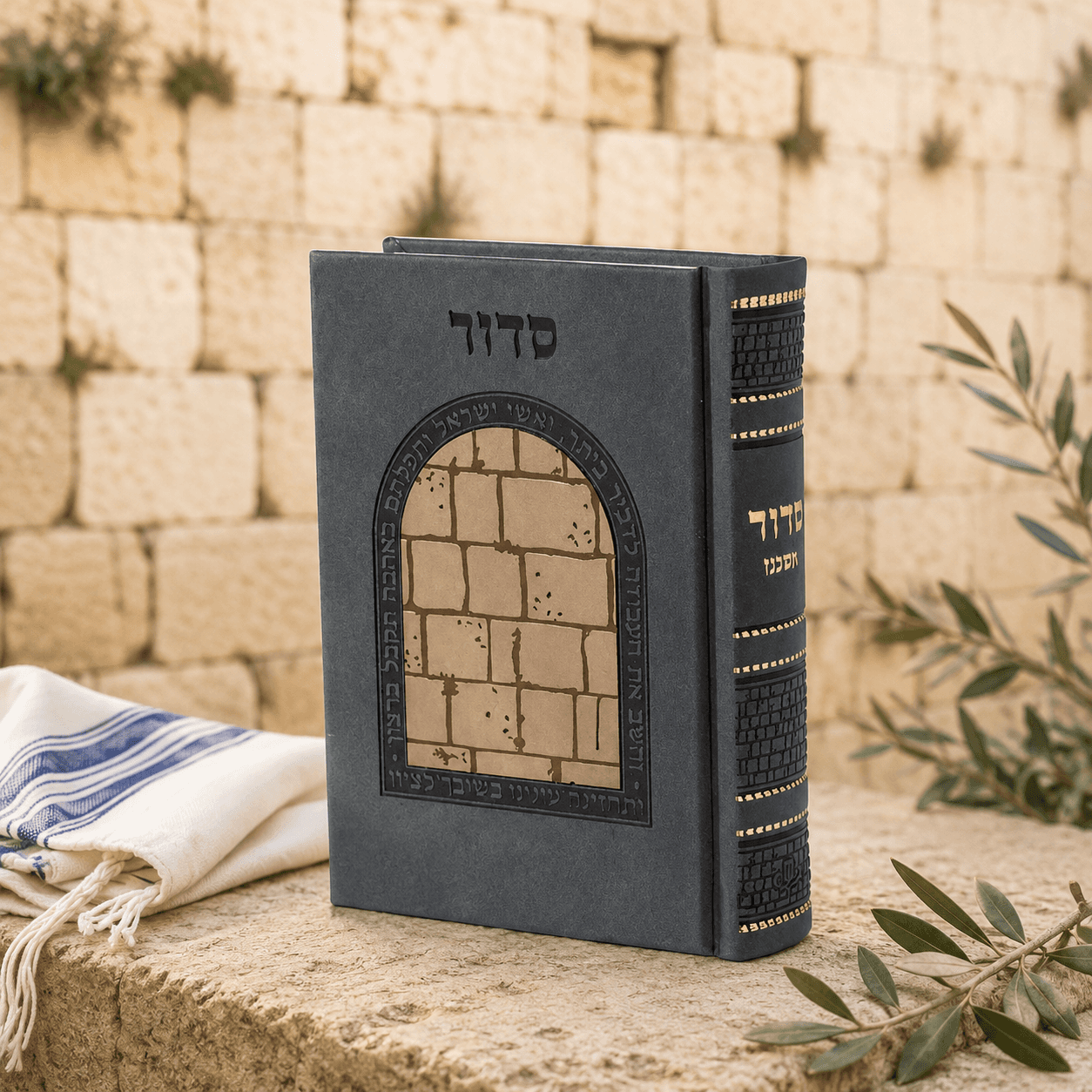
A Siddur is the traditional Jewish prayer book used for structured prayer services throughout the day. It contains the prayers recited during morning, afternoon, and evening services, along with prayers for Shabbat, Jewish holidays, blessings, and special occasions.
The word "Siddur" comes from a Hebrew root meaning "order," which reflects its purpose. The Siddur provides the established sequence of prayers that guide worshippers through praise, gratitude, reflection, and personal requests.
For centuries, Jewish communities around the world have relied on the Siddur to maintain a shared prayer experience. Whether someone is praying in Jerusalem, New York, London, or elsewhere, the Siddur creates a common spiritual language that connects generations of Jewish people.
What Is Tehillim?
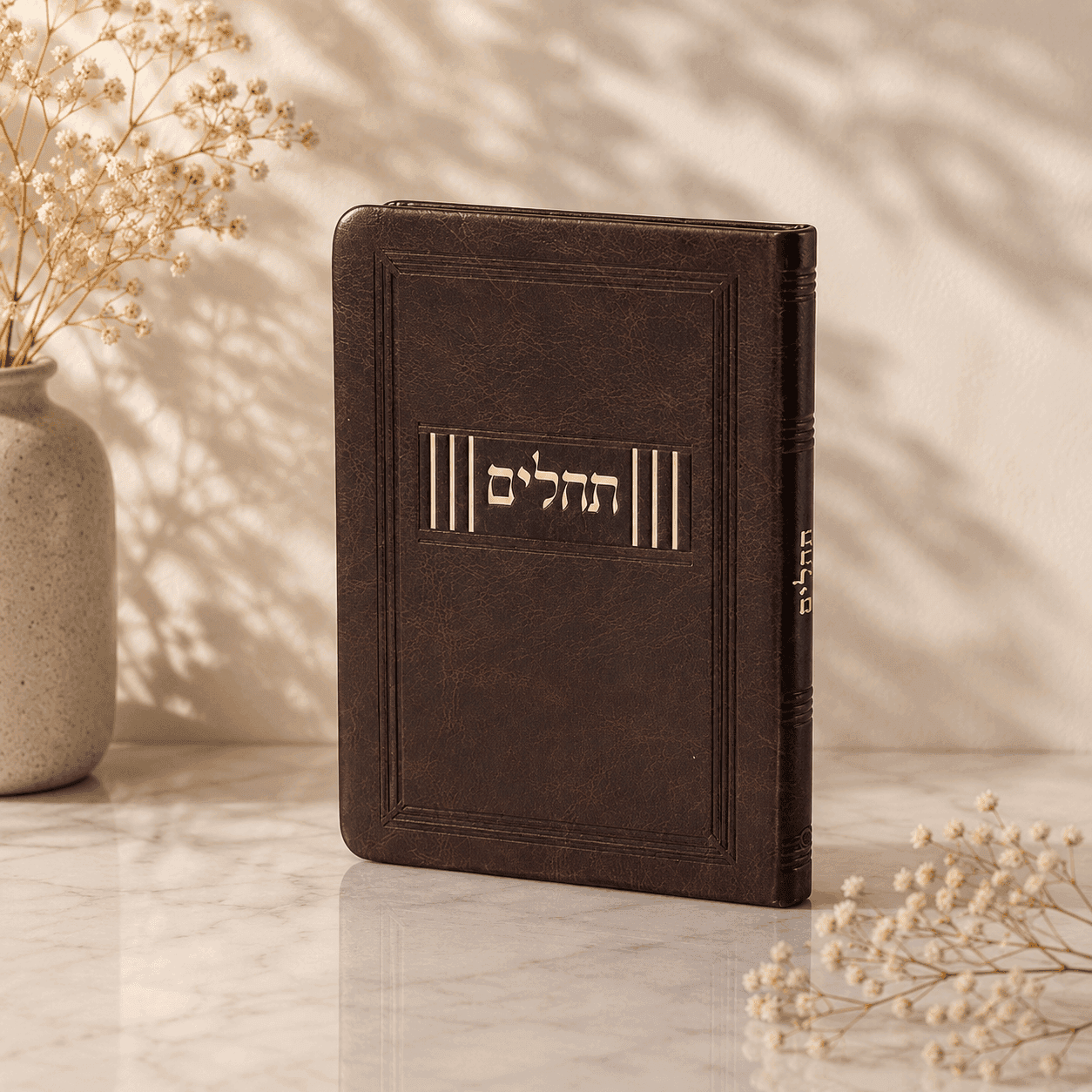
Tehillim, known in English as the Book of Psalms, contains 150 chapters of sacred poetry and prayer. Most of these psalms are traditionally attributed to King David, whose words continue to inspire people thousands of years after they were written.
Unlike the Siddur, Tehillim is not arranged as a daily prayer service. Instead, individuals turn to its chapters whenever they seek inspiration, comfort, encouragement, or a way to express their emotions through prayer.
Within Tehillim, readers find words for nearly every human experience. There are songs of thanksgiving, prayers for protection, expressions of trust, cries for help during difficult times, and joyful declarations of faith. This emotional depth is one reason Tehillim remains one of the most beloved books in Jewish tradition.
The Key Difference Between a Siddur and Tehillim
One simple way to understand the distinction is this:
- The Siddur guides the structured prayers of the Jewish people.
- Tehillim gives voice to the personal prayers of the individual.
The Siddur follows an established order that forms the foundation of daily Jewish worship. It helps create consistency and spiritual discipline while connecting each person to the broader Jewish community.
Tehillim, by contrast, often feels more personal and immediate. People may choose specific chapters based on their circumstances, emotions, or spiritual needs. Some recite Tehillim during times of illness, others during moments of gratitude, and many simply as part of their regular spiritual routine.
Why Many Jewish Homes Have Both
Because the Siddur and Tehillim serve different roles, they complement one another beautifully.
The Siddur provides structure and continuity. It anchors daily prayer and connects individuals to centuries of Jewish tradition.
Tehillim offers flexibility and emotional expression. It provides words when a person seeks comfort, strength, hope, or inspiration beyond the formal prayer service.
Together, they create a balance between communal prayer and personal reflection. One offers the framework of Jewish prayer, while the other provides a deeply personal pathway to spiritual connection.
Choosing the Right Book for the Moment
There is no need to choose between a Siddur and Tehillim because each fulfills a different purpose.
When participating in daily prayers, observing Shabbat, celebrating holidays, or following the traditional prayer schedule, the Siddur serves as the essential guide.
When seeking encouragement, expressing gratitude, praying for others, or finding words during life's challenges, many turn to Tehillim.
Having both available allows a person to engage with Jewish prayer in a fuller and more meaningful way.
A Lasting Part of Jewish Life
The enduring presence of both the Siddur and Tehillim in Jewish homes reflects their unique importance. Together, they represent two complementary dimensions of prayer: the shared voice of the Jewish people and the personal voice of the individual soul.
Whether you are new to Jewish prayer or have been using these sacred books for years, understanding the role of each can bring greater meaning to your spiritual journey. The Siddur provides the structure, while Tehillim provides the emotion. Together, they help transform everyday moments into opportunities for connection, reflection, and faith.


