
Buying a tallit is not like buying a regular garment.
For many Jews, a tallit becomes part of daily prayer for decades. It may accompany:
- A bar mitzvah
- A wedding
- Yom Kippur
- Family celebrations
- Emotional moments of tefillah
- Even future generations
So naturally, one of the most common questions people ask is:
“How much should a good tallit actually cost?”
The answer depends on several major factors:
- Cotton vs. wool
- Type of weave
- Tzitzit style
- Thickness of strings
- Techelet or white strings
- Quality level
- Israeli craftsmanship
- Design & customization
And honestly?
There’s a massive difference between a basic budget tallit and a truly high-end tallit.
This guide breaks it down practically so you understand what you’re actually paying for.
Cotton vs. Wool Tallit — What’s the Difference?
The biggest price difference in the tallit world usually starts here:
Cotton Tallit
Cotton tallitot are:
- Lighter
- Usually cheaper
- Easier for hot climates
- Popular for beginners or travel
- Often chosen for children
Typical price range in the U.S. market:
- Around $60–$120 for standard models
Cotton tallitot can absolutely be kosher and beautiful.
But traditionally, most Jewish communities — especially for weddings and long-term use — preferred wool tallitot.
Why Wool Tallitot Are More Expensive
Wool tallitot are generally considered:
- More traditional
- More elegant
- More durable
- More respected for regular tefillah
Many halachic opinions also strongly prefer wool for fulfilling the mitzvah according to all opinions.
That’s one reason why premium wool tallitot remain the standard choice for:
- Weddings
- Bar mitzvah gifts
- Synagogue use
- Serious daily prayer
Now here’s something important:
There’s a huge difference between cheap imported wool tallitot and premium Israeli-made tallitot.
At Orot Judaica, we focus specifically on high-quality Israeli wool tallitot from Mishkan HaTechelet — one of the most respected names in the Judaica world.
Our premium wool tallitot typically range between:
$100–$250
That price range reflects:
- Genuine quality wool
- Comfortable wear
- Elegant craftsmanship
- Reliable Israeli manufacturing
- Proper finishing
- Beautiful weaving
- Non-slip designs
- Long-term durability
These are NOT bargain-bin tallitot.
These are the types of tallitot people buy for:
- Weddings
- Daily lifelong use
- Bar mitzvah gifts
- Serious tefillah
- Meaningful Judaica purchases
And honestly?
For a tallit someone may wear for 20–30 years, quality matters.
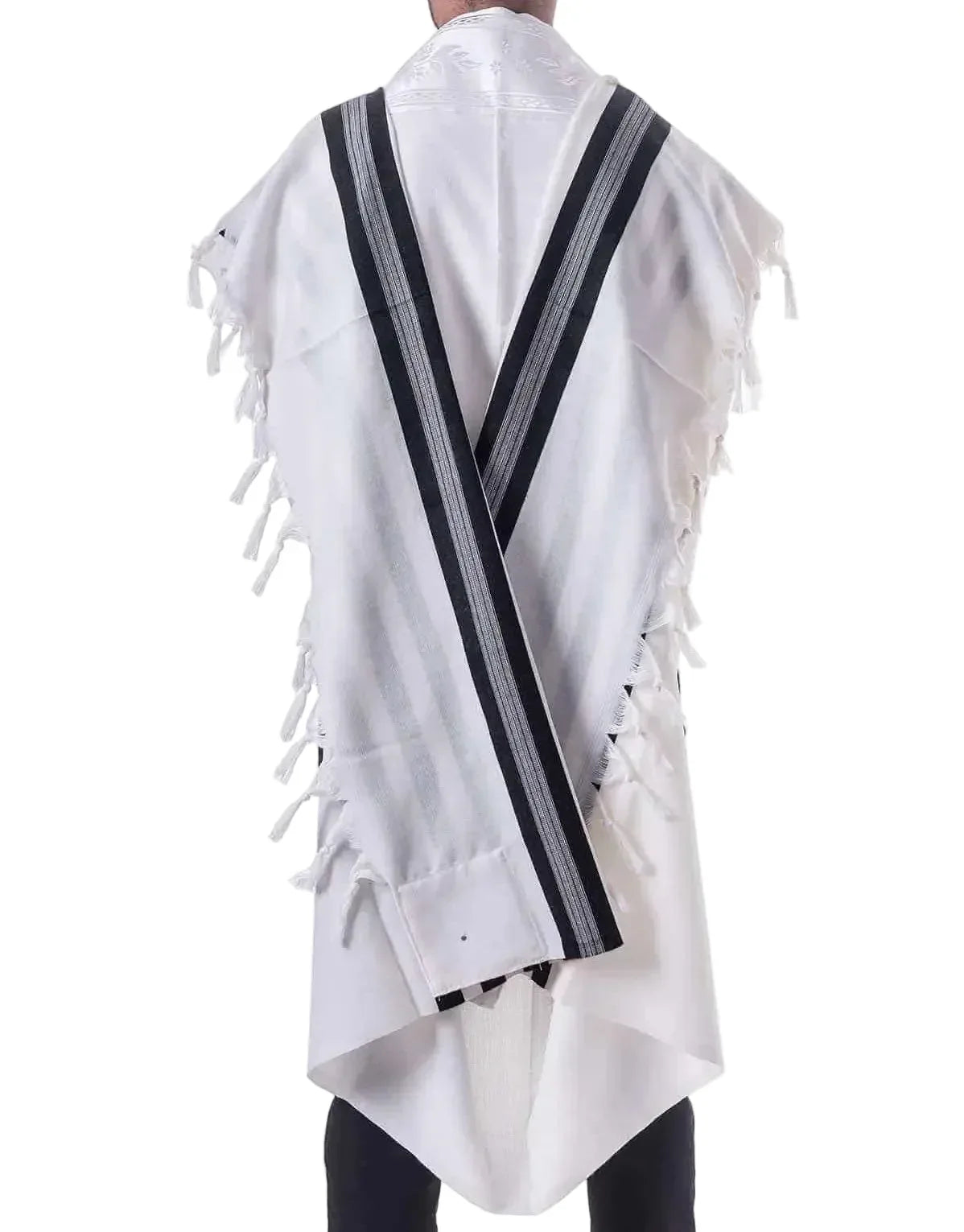
The Type of Wool Changes Everything
Not all wool is the same.
Higher-quality wool feels:
- Softer
- More breathable
- More elegant
- Less itchy
- Better draping on the shoulders
Premium Israeli tallit manufacturers — especially Mishkan HaTechelet — became famous for developing wool tallitot that feel both luxurious and practical.
A high-end wool tallit today does NOT need to feel heavy or uncomfortable like older generations remember.
Modern weaving changed the game.
Different Tallit Weaves Explained
One of the biggest differences in premium tallitot is the weave style.
Many people see names like:
- “Par Kal”
- “Shacharit”
- “Tashbetz”
…and have no idea what they mean.
Here’s the practical breakdown:
Par Kal (“Light Glory”)
Lightweight Weave
Popular because it is:
- Lighter
- Easier for warm climates
- Comfortable for long prayers
- Elegant without feeling heavy
Especially popular in:
- Florida
- California
- Israel
- Summer use
Many younger buyers love Par Kal because it combines a refined appearance with comfort.
Tashbetz
Stronger, Heavier Weave
Tashbetz-style tallitot are:
- More structured
- Heavier
- Extremely durable
- More traditional feeling
Some people specifically love the heavier “serious” feeling during tefillah.
Others prefer the stability because the tallit sits firmly on the shoulders.
Shacharit
Especially Soft & Comfortable Weave
Shacharit models became extremely popular because they combine:
- Softness
- Elegant draping
- Comfortable texture
- Premium appearance
Many people who wear a tallit daily choose this style because it feels pleasant for long davening sessions.
Do Premium Tallitot Slip Off?
One common frustration with cheap tallitot:
They constantly slide off the shoulders.
Most premium tallitot today — especially quality Israeli-made models — are designed to sit much more securely.
That said:
It also depends on the clothing underneath.
For example:
- Smooth dress shirts can increase slipping
- Cotton fabrics usually hold better
- Some tallitot naturally grip better due to weave texture
Higher-end wool tallitot generally perform much better in this area.
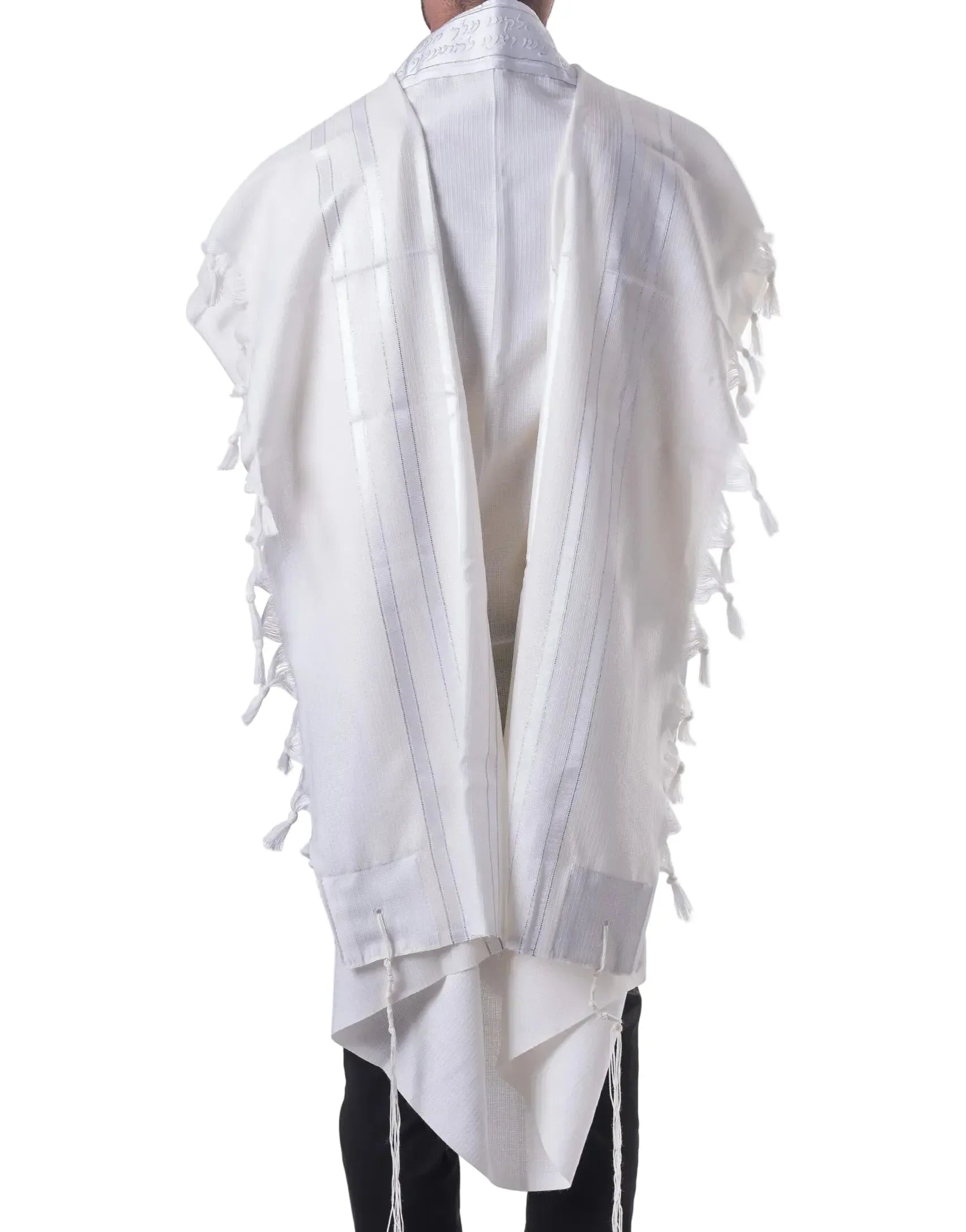
Thick vs. Thin Tzitzit Strings
Another major factor is the tzitzit themselves.
Some people prefer:
Thin strings
because they feel:
- Cleaner
- More elegant
- Lightweight
Others prefer:
Thick strings
because they feel:
- More traditional
- More noticeable
- More durable
And then comes another layer:
White Strings vs. Techelet
Techelet tzitzit became increasingly popular in recent years.
These include a blue dyed thread based on traditions connected to ancient techelet.
Some people specifically want:
- Pure white tzitzit
- Raavad techelet
- Rambam techelet
- Different tying customs
Techelet often increases the total cost depending on:
- Dye source
- Tying method
- Handmade work
Different Knot Styles & Customs
Not all tzitzit are tied the same way.
There are differences between:
- Ashkenazi customs
- Sephardic customs
- Chabad styles
- Yemenite traditions
- Techelet tying methods
Some buyers specifically request handmade custom tying according to family minhag.
That level of customization naturally increases pricing.
Color Matters Too
Classic white with black stripes remains timeless.
But modern tallit design expanded dramatically.
Today you can find:
- Silver designs
- Gold accents
- White-on-white luxury styles
- Jerusalem stone shades
- Navy details
- Elegant minimalist looks
- Fully custom colors
Many grooms today choose tallitot matching:
- Wedding themes
- Tallit bags
- Family customs
- Personal style
Fully Customized Tallit Designs
Some families want something completely unique.
Today it’s possible to order:
- Personalized embroidery
- Custom atarah text
- Family names
- Wedding dates
- Matching tallit & tefillin bags
- Rare stripe colors
- Luxury fabrics
- Fully custom designs
While we don’t currently list fully custom tallit design options directly online, special custom orders are absolutely possible.
And honestly?
People today are getting incredibly creative.
Why Mishkan HaTechelet Became So Popular
Across the United States, more and more families specifically search for tallitot from Mishkan HaTechelet.
Why?
Because they successfully combined:
- Traditional craftsmanship
- Modern comfort
- Elegant design
- Premium wool quality
- Reliable sizing
- Beautiful finishing
Their collections became especially popular for:
- Weddings
- Bar mitzvah gifts
- Luxury Judaica
- Daily prayer
- Synagogue use
Many people today want a tallit that feels both deeply traditional and visually refined.
That balance is exactly where Mishkan HaTechelet became one of the strongest names in the market.
So… How Much Should You Spend on a Tallit?
The honest answer?
Buy the best tallit you can reasonably afford.
Because if chosen properly:
A tallit is not a temporary purchase.
It may stay with you:
- 10 years
- 20 years
- Sometimes an entire lifetime
People often spend more on one suit they barely wear than on a tallit they use constantly.
A quality tallit feels different.
Looks different.
Lasts differently.
And during tefillah — you feel the difference too.
Looking for a Quality Tallit?
At Orot Judaica, we specialize in premium Israeli tallitot from Mishkan HaTechelet.
Our collection focuses on:
- Authentic Israeli craftsmanship
- Premium wool tallitot
- Comfortable luxury weaves
- Elegant modern styles
- Wedding tallitot
- Bar mitzvah gifts
- Techelet options
- Personalized Judaica
Whether you want a lightweight Par Kal, a soft Shacharit weave, or a structured Tashbetz tallit — we’d be honored to help you find a tallit you’ll truly enjoy wearing for years to come.


