
Understanding the History and Symbolism of a Traditional Jewish Wedding
A Jewish wedding is far more than a beautiful ceremony.
It is one of the most sacred moments in Jewish life.
For thousands of years, Jewish couples have stood beneath a chuppah, surrounded by family and friends, beginning a journey that Jewish tradition describes as the building of a Bayit Ne'eman B'Yisrael — a faithful Jewish home.
Whether the wedding takes place in Jerusalem, New York, Miami, Los Angeles, Toronto, or anywhere else in the world, many of the customs remain remarkably similar to those practiced by generations before us.
But have you ever wondered:
- Why do Jewish couples marry under a chuppah?
- Why is a ring used?
- What is the role of the ketubah?
- Why do some grooms wear a tallit?
- Where did these traditions originate?
The answers reveal a fascinating story stretching back thousands of years.
Marriage in Judaism: More Than a Celebration
Judaism views marriage as one of life's most important milestones.
According to Jewish tradition, marriage is not merely a social contract or romantic partnership.
It is a spiritual covenant.
The Torah presents marriage as the foundation upon which Jewish family life is built.
For this reason, Jewish law places enormous importance on marriage, family, and creating a home centered around faith, kindness, and shared responsibility.
Throughout Jewish history, marriage has been viewed as the natural framework through which future generations continue Jewish tradition.
Why Is a Jewish Wedding Called "Chuppah and Kiddushin"?
The traditional Jewish wedding ceremony is often referred to as:
Chuppah VeKiddushin
These two words represent the two essential components of the wedding process.
Kiddushin
The word "Kiddushin" comes from the Hebrew word for holiness.
This is the stage where the groom formally sanctifies the relationship according to Jewish law.
Traditionally, this is accomplished through the giving of a ring and the famous declaration:
"Harei at mekudeshet li..."
At this point, the couple becomes bound together according to Jewish law.
Chuppah
The second stage is the Chuppah.
The chuppah symbolizes the new home the couple is about to build together.
Unlike a building made of walls and furniture, the chuppah reminds us that a Jewish home is built first upon values.
The open sides symbolize hospitality, echoing the tent of Abraham and Sarah, whose home was open to guests from every direction.
Today, the chuppah remains one of the most recognizable symbols of Jewish weddings worldwide.
Why Were Engagements Once a Year Long?
Many people are surprised to learn that during the Talmudic period, the time between engagement and marriage was often around a full year.
The couple would become formally engaged, but the actual marriage would take place much later.
Over time, Jewish communities gradually shortened the gap between these stages.
By the Middle Ages, the two parts were generally performed together in a single ceremony — the format still used today.
This practical change helped simplify the process and reduce complications.
The Wedding Ring and Its Meaning
The wedding ring is one of the most recognizable elements of a Jewish wedding.
Traditionally, the ring is:
- Plain
- Round
- Without gemstones
Why?
Because simplicity symbolizes clarity and sincerity.
The focus is not on the value of the jewelry.
The focus is on the commitment being made.
The ring becomes the physical act through which Kiddushin takes place.
Its simplicity reminds everyone present that the marriage itself is what matters most.
The Forgotten Tradition of Wedding Crowns
One of the most fascinating Jewish wedding customs that many people have never heard about involves:
Wedding Crowns
Ancient Jewish sources describe special crowns worn by both bride and groom.
The groom's crown was often made from:
- Myrtle branches
- Roses
- Decorative greenery
The bride's crown could include precious materials and artistic decorations.
These crowns symbolized the royal nature of the occasion.
After all, Jewish tradition often describes a bride and groom as resembling a king and queen on their wedding day.
However, following the destruction of the Second Temple, many of these practices were discontinued as an expression of national mourning.
Even today, traces of these customs remain in various Jewish communities.
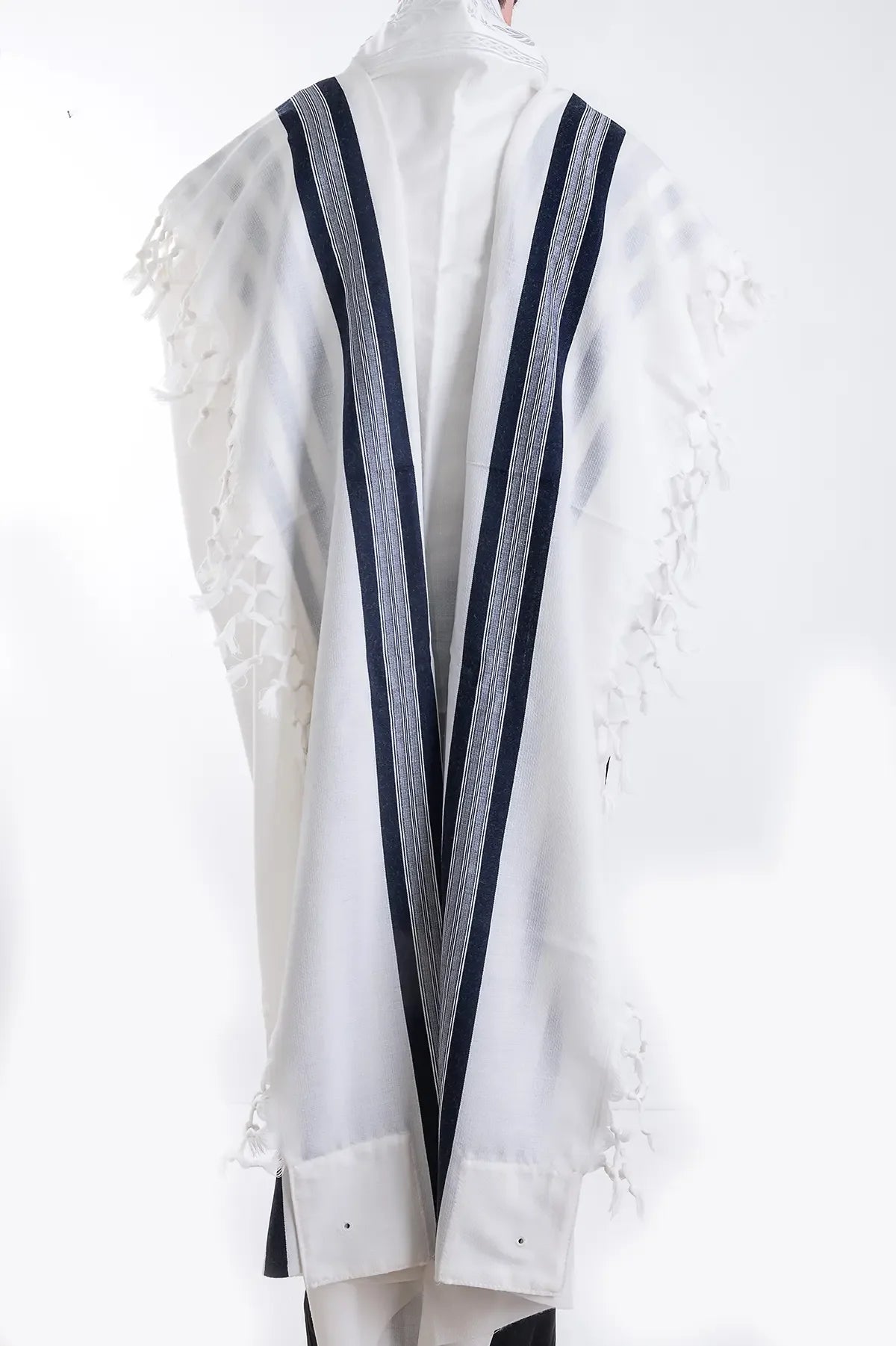
Why Does the Groom Wear a Tallit?
One of the most meaningful Jewish wedding traditions involves the tallit.
In many communities, particularly Ashkenazi communities, the groom wears a tallit under the chuppah.
For some, this is the first time they wear their own tallit.
The tallit symbolizes:
- Responsibility
- Spiritual maturity
- Jewish identity
- Commitment to mitzvot
Many brides traditionally purchase the groom's tallit before the wedding, turning it into one of the most meaningful gifts exchanged before marriage.
Today, premium Israeli-made tallitot from Mishkan HaTechelet are especially popular among couples throughout the United States.
Many grooms choose these tallitot because they combine:
- Traditional craftsmanship
- Premium wool
- Elegant design
- Long-term durability
A wedding tallit often accompanies a man throughout decades of prayer, holidays, and family celebrations.
The Ketubah: More Than a Marriage Contract
The ketubah is one of the oldest continuously used marriage documents in the world.
Its purpose is not simply legal.
The ketubah establishes the groom's obligations and responsibilities toward his wife.
It emphasizes:
- Respect
- Support
- Commitment
- Responsibility
Today, many couples display their ketubah in their home as a reminder of the promises made on their wedding day.
Why Is the Chuppah Outdoors So Popular?
Although Jewish weddings can take place indoors or outdoors, many couples prefer an outdoor chuppah.
Several traditions connect the wedding ceremony to:
- The stars
- Divine blessing
- Abraham's descendants
The open sky often symbolizes limitless blessing and the future growth of the family.
This is one reason outdoor Jewish weddings remain especially popular across the United States.
Different Communities, Shared Traditions
Jewish wedding customs vary among:
- Ashkenazi communities
- Sephardic communities
- Chabad communities
- Yemenite communities
- Modern Orthodox communities
Each community brings unique customs, melodies, and traditions.
Yet the core elements remain remarkably consistent.
Whether the wedding takes place in Brooklyn, Miami, Jerusalem, or London, the same essential foundations remain:
- Chuppah
- Kiddushin
- Ketubah
- Ring
- Blessings
- Family
- Torah values
This continuity is one of the most remarkable aspects of Jewish life.
Building a Jewish Home Begins Before the Wedding
Many couples spend months planning:
- Venues
- Flowers
- Music
- Seating charts
Yet Jewish tradition reminds us that the true goal is not the wedding itself.
The goal is the home that follows.
Many couples begin preparing for married life by choosing meaningful Judaica for their future home, including:
- Tallitot
- Mezuzot
- Kiddush cups
- Challah boards
- Challah covers
- Havdalah sets
- Siddurim
- Shabbat essentials
These items become part of the family's story long after the wedding day has passed.
Bringing Meaning to Every Jewish Wedding
At Orot Judaica, we help couples celebrate life's most meaningful moments with carefully selected Judaica designed to last for generations.
From premium tallitot by Mishkan HaTechelet to personalized siddurim, wedding souvenirs, benchers, mezuzot, and elegant Shabbat gifts, we help transform Jewish traditions into lasting memories.
Because a Jewish wedding is not simply the start of a marriage.
It is the beginning of a new chapter in the story of the Jewish people.


