
For thousands of years, Shabbat has stood at the heart of Jewish life. More than a weekly day off, Shabbat is a sacred gift—a time to pause, reconnect with family, strengthen faith, and remember the purpose behind creation itself.
Every Friday evening, Jewish homes around the world are transformed. Candles are lit, the Kiddush cup is filled with wine, challah is placed on the table beneath an elegant cover, and the rush of the week gives way to peace, gratitude, and holiness.
Whether you are learning about Judaism, rediscovering Jewish traditions, or preparing your own Shabbat table, understanding the meaning of Shabbat reveals why it has remained one of the most cherished mitzvot for generations.
What Is Shabbat?
Shabbat (also spelled Sabbath or Shabbos) is the seventh day of the Jewish week, observed from Friday evening before sunset until nightfall on Saturday.
It is one of the most important commandments in the Torah and appears in the Ten Commandments:
"Remember the Sabbath day, to keep it holy." (Exodus 20:8)
Unlike holidays that occur only once each year, Shabbat returns every week, offering a recurring opportunity to step away from work and reconnect with what truly matters.
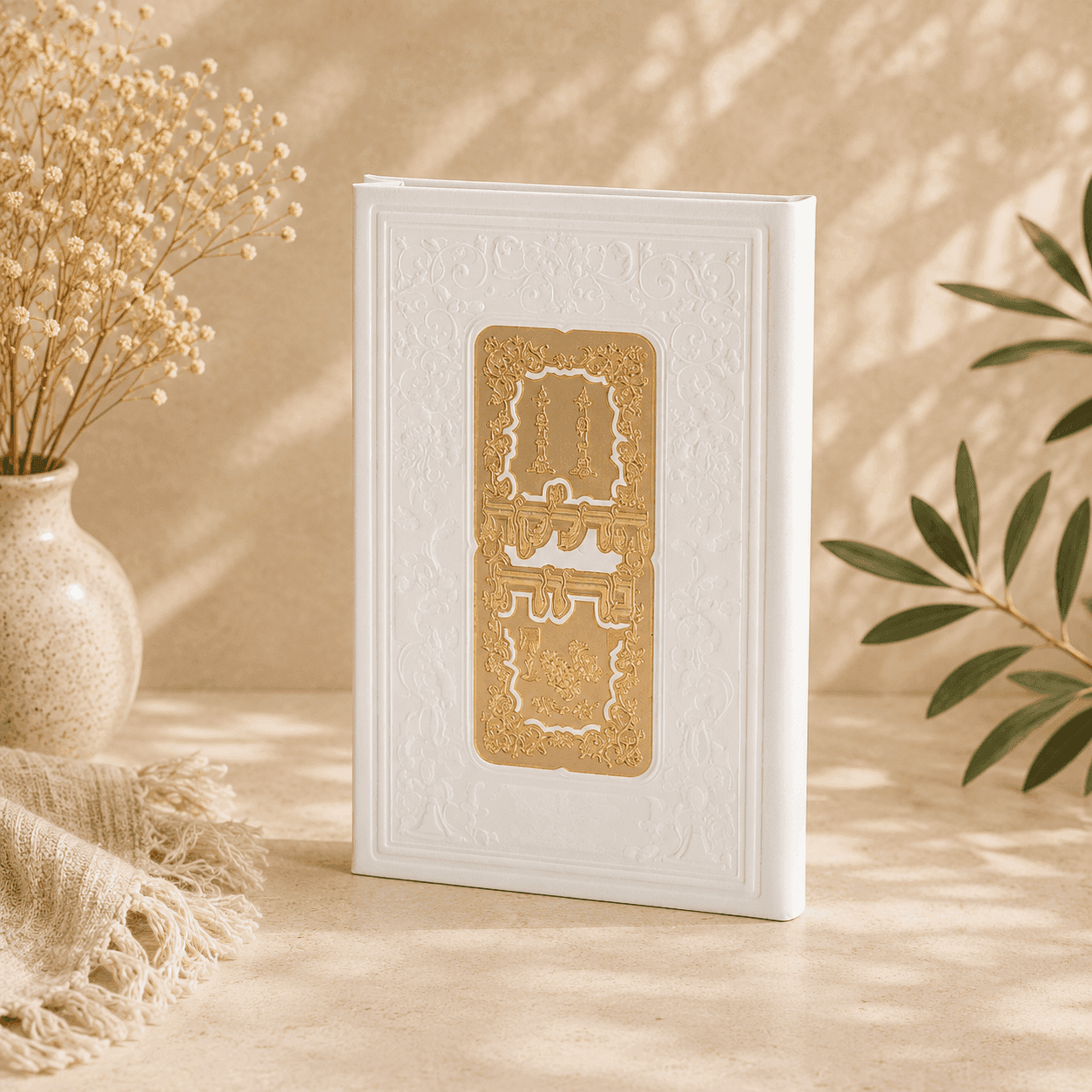
Why Do Jews Keep Shabbat?
Shabbat commemorates the creation of the world.
According to the Torah, Hashem created the heavens and the earth in six days and rested on the seventh. By observing Shabbat, Jews testify that the universe has purpose, design, and a Creator.
But Shabbat is not only about remembering history.
It is about living differently for one day every week.
For twenty-five hours, work gives way to rest, technology gives way to conversation, and distractions are replaced with family, prayer, Torah learning, festive meals, and spiritual reflection.
In a world that constantly demands more, Shabbat reminds us that our worth is not measured by productivity, but by our relationship with Hashem, our loved ones, and ourselves.
When Does Shabbat Begin and End?
Shabbat begins shortly before sunset on Friday with the lighting of Shabbat candles.
It concludes on Saturday night after the appearance of three stars, marked by the beautiful Havdalah ceremony that separates the holiness of Shabbat from the ordinary weekdays.
The exact times vary each week depending on location and season, which is why Jewish communities publish local candle-lighting and Havdalah times.
Preparing for Shabbat
One of the unique aspects of Judaism is that Shabbat begins long before Friday evening.
Throughout the week, Jewish families prepare by:
- Cleaning the home
- Cooking festive meals
- Baking or purchasing challah
- Setting a beautiful Shabbat table
- Preparing wine or grape juice for Kiddush
- Wearing special Shabbat clothing
- Completing work before candle lighting
These preparations are themselves considered part of honoring Shabbat.
Lighting the Shabbat Candles
The first public moment of Shabbat is the lighting of the candles.
Traditionally, Jewish women light the candles approximately 18 minutes before sunset, although the exact time varies by community.
If a woman is unavailable, a man is equally obligated to ensure the candles are lit.
This quiet moment has become one of the most cherished Jewish traditions. Many families use this time for personal prayers, asking Hashem for health, peace, children, livelihood, and blessings for loved ones.
The warm glow of the candles symbolizes peace, holiness, and the welcoming of the Divine Presence into the home.

Kabbalat Shabbat: Welcoming the Queen
After candle lighting, many Jews attend synagogue for Kabbalat Shabbat, the joyful service that welcomes Shabbat as an honored guest.
The prayers are filled with songs celebrating the arrival of the holy day, culminating in the evening service (Maariv).
The atmosphere is noticeably different from weekday prayers—more peaceful, more joyful, and filled with anticipation for the sacred day ahead.
Kiddush and the Friday Night Meal
Returning home, families gather around the table for one of Judaism's most beloved traditions.
The evening begins with Kiddush, the blessing recited over wine or grape juice, proclaiming the holiness of Shabbat.
Next comes the blessing over two loaves of challah, recalling the double portion of manna that fell before Shabbat during the Israelites' journey through the wilderness.
The festive meal includes songs (Zemirot), words of Torah, meaningful conversations, and quality family time.
For many Jewish families, these Friday night dinners become lifelong memories passed from generation to generation.
Oneg Shabbat: Enjoying the Holiness of the Day
The Torah encourages Jews to experience Oneg Shabbat—the delight and enjoyment of Shabbat.
This includes:
- Festive meals
- Rest and relaxation
- Torah study
- Spending time with family
- Prayer
- Singing traditional Shabbat songs
- Peaceful conversations
- Spiritual reflection
Unlike many religions that separate spirituality from physical enjoyment, Judaism teaches that enjoying delicious food, beautiful surroundings, and meaningful family time can itself become a holy act when done in honor of Shabbat.
The Three Shabbat Meals
Jewish law encourages eating three festive meals during Shabbat.
Friday Night Dinner
The first meal begins after Kiddush and often becomes the centerpiece of the entire week.
Shabbat Day Meal
Following the morning synagogue service and daytime Kiddush, families gather for another festive meal.
Seudah Shlishit (The Third Meal)
Late Saturday afternoon, before sunset, Jews eat the third meal.
This quieter meal often carries a unique atmosphere, as families savor the final moments of Shabbat before returning to the workweek.
Havdalah: Saying Goodbye to Shabbat
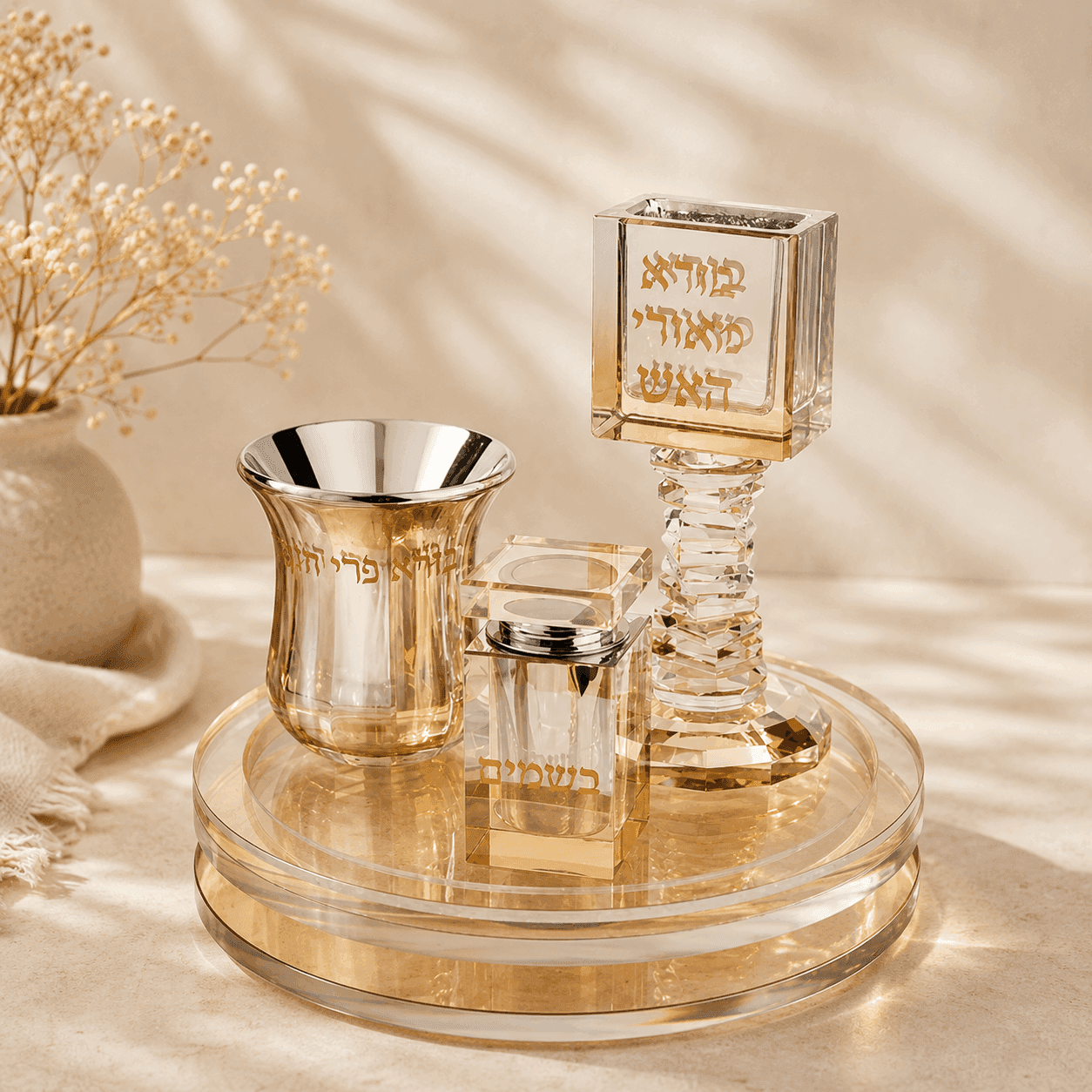
When Shabbat ends, Jews perform Havdalah, one of Judaism's most beautiful ceremonies.
Using:
- A cup of wine
- Fragrant spices (Besamim)
- A braided Havdalah candle
the ceremony marks the transition from the holiness of Shabbat back into everyday life.
Rather than viewing the end of Shabbat with sadness alone, Havdalah reminds us to carry the inspiration of Shabbat into the coming week.
The Two Central Commandments of Shabbat
The Torah summarizes Shabbat with two complementary ideas.
Zachor — Remember Shabbat
Remembering Shabbat means actively honoring it through Kiddush, preparation, festive meals, Torah learning, and making the day distinct from the rest of the week.
Shamor — Guard Shabbat
Guarding Shabbat means refraining from the categories of creative work (melachot) prohibited by Jewish law.
Together, these two commandments create the unique balance that defines Shabbat—rest from labor while actively filling the day with holiness and joy.
The Shabbat Table: A Centerpiece of Jewish Life
A beautifully prepared Shabbat table reflects the honor given to the holy day.
Many families decorate their table with:
- Elegant Kiddush cups
- Challah boards
- Decorative challah covers
- Candlesticks
- Salt dishes
- Havdalah sets
- Zemirot and Birkat Hamazon booklets
- Fresh flowers and fine tableware
These traditions transform an ordinary dining room into a place of celebration and spiritual connection.
Bringing the Beauty of Shabbat into Your Home
At Orot Judaica, we believe that beautiful Judaica helps elevate meaningful traditions.
Our carefully curated collection includes elegant Kiddush cups, challah boards, challah covers, Shabbat candlesticks, Havdalah sets, Besamim holders, Zemirot benchers, Birkat Hamazon booklets, candle-lighting prayer books, personalized Judaica gifts, and many more essentials designed to enrich every Shabbat experience.
Whether you're preparing your first Shabbat table, searching for a meaningful Jewish wedding gift, celebrating a Bar or Bat Mitzvah, furnishing a synagogue, or continuing cherished family traditions, our collection combines timeless craftsmanship with authentic Jewish heritage.
Because every Shabbat deserves to be celebrated with beauty, dignity, and joy.

Frequently Asked Questions
Why is Shabbat so important in Judaism?
Shabbat commemorates both the creation of the world and the covenant between Hashem and the Jewish people. It is one of the central pillars of Jewish life and observance.
When does Shabbat begin?
Shabbat begins before sunset every Friday with candle lighting and ends on Saturday night after the appearance of three stars.
Why do Jews make Kiddush?
Kiddush sanctifies Shabbat over wine or grape juice, fulfilling the Torah's commandment to "remember" the holy day.
What is Havdalah?
Havdalah is the ceremony performed at the end of Shabbat using wine, spices, and a braided candle to mark the transition from the sacred day back to the weekday.
What items are traditionally used on the Shabbat table?
Common Shabbat essentials include Kiddush cups, challah boards, challah covers, candlesticks, salt dishes, Zemirot booklets, Birkat Hamazon booklets, Havdalah sets, and Besamim holders.


