
Every Jewish day begins with an act that seems simple on the surface, yet carries profound spiritual significance: Netilat Yadayim (ritual hand washing).
For thousands of years, Jewish tradition has taught that washing the hands is far more than a matter of cleanliness. It is a daily reminder that physical actions and spiritual awareness are deeply connected. Whether after waking up, before eating bread, or after using the restroom, Netilat Yadayim helps transform ordinary moments into opportunities for holiness, gratitude, and mindfulness.
At Orot Judaica, we believe that understanding the meaning behind Jewish traditions enriches our connection to them. This guide explains when Jews wash their hands, why the practice exists, and the spiritual lessons hidden within one of Judaism's most familiar mitzvot.
What Is Netilat Yadayim?
Netilat Yadayim literally means "lifting the hands" or "ritual hand washing."
Unlike ordinary washing for hygiene, Netilat Yadayim is a mitzvah rooted in the Torah and expanded upon by the Sages. It prepares a person physically and spiritually before engaging in sacred activities such as prayer, eating bread, or beginning a new day.
Jewish law teaches that our hands constantly interact with the physical world. Through ritual washing, we symbolically elevate our everyday actions, reminding ourselves that even routine moments can become acts of serving Hashem.
Why Do Jews Wash Their Hands?
Many people assume Netilat Yadayim is simply about cleanliness. While hygiene certainly plays an important role, Judaism teaches that the mitzvah reaches much deeper.
The practice reflects several important values:
- Spiritual purity
- Respect for food and blessings
- Gratitude for life
- Preparation for prayer
- Awareness that everyday actions can become holy
Jewish tradition emphasizes that holiness begins with simple actions performed with intention.
Morning Netilat Yadayim: Beginning the Day with Purity
One of the best-known forms of Netilat Yadayim takes place immediately after waking.
According to Jewish tradition, sleep represents a temporary withdrawal from full spiritual awareness. The Sages teach that upon awakening, a person removes a level of spiritual impurity through ritual washing before beginning the day.
For this reason, many observant Jews prepare a washing cup (Natla) and basin beside the bed before going to sleep.
The traditional procedure includes:
- Washing each hand three alternating times
- Beginning with the right hand
-
Reciting the blessing:
"Baruch Atah Hashem, Elokeinu Melech HaOlam, Asher Kiddeshanu B'Mitzvotav V'Tzivanu Al Netilat Yadayim."
This simple ritual marks the transition from sleep to a new day dedicated to serving Hashem.

Netilat Yadayim Before Eating Bread
Before eating bread, Jewish law requires another form of ritual hand washing.
This practice originates from the Temple service, where the Kohanim maintained ritual purity before eating sacred foods. Today, every Jewish table is viewed as a miniature altar, making meals an opportunity to elevate everyday life.
The washing is performed by:
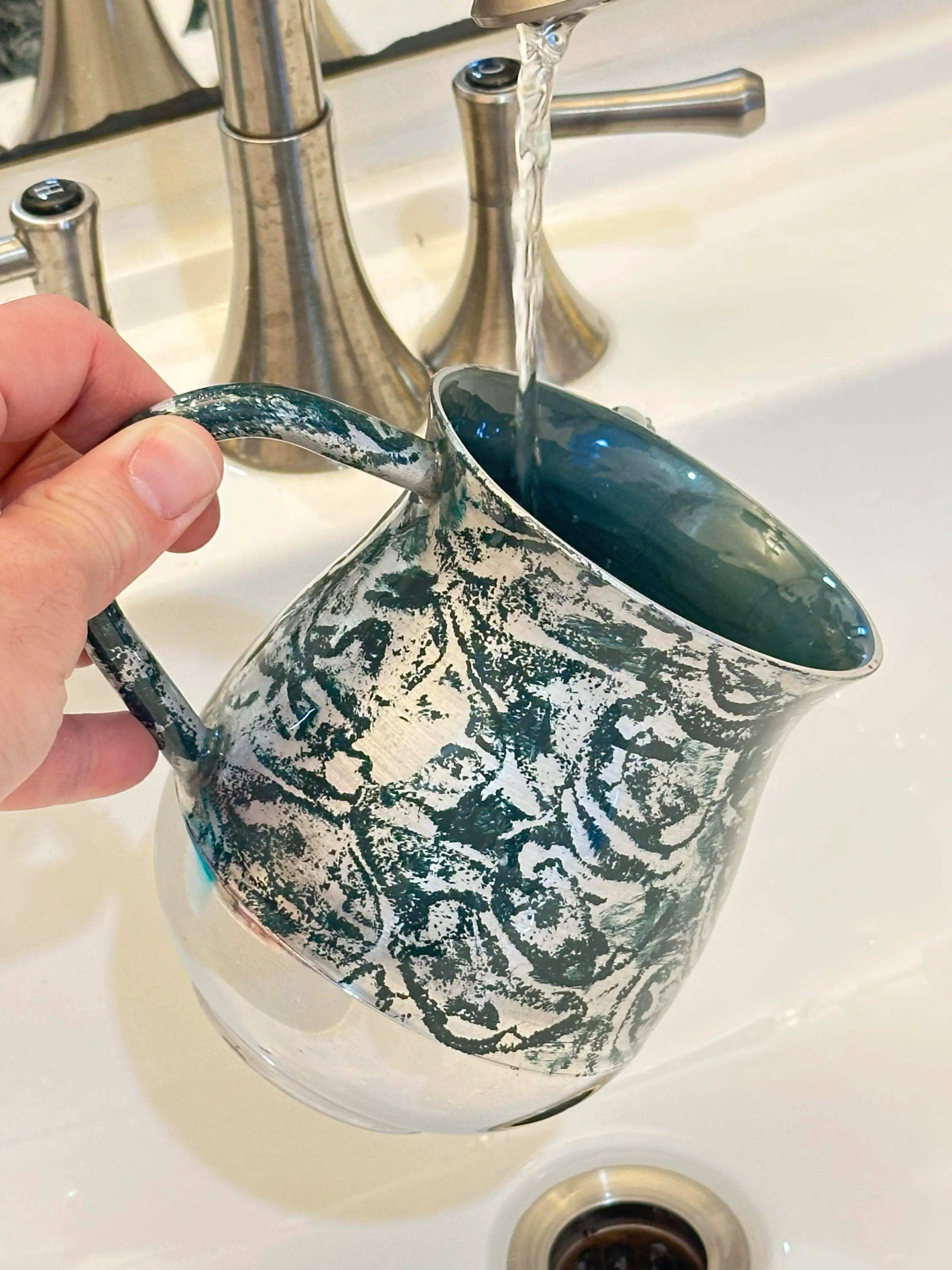
- Pouring water over the entire right hand three consecutive times.
- Repeating the process on the left hand.
- Reciting the blessing before drying the hands.
- Remaining silent until the blessing over the bread (Hamotzi) is recited.
This reminds us that food is not merely nourishment—it is a gift from Hashem deserving appreciation and respect.
Hand Washing After Using the Restroom
Another important Jewish practice is washing the hands after using the restroom.
While this washing certainly promotes hygiene, Judaism also emphasizes gratitude for the remarkable way the human body functions.
After washing, Jews recite the beautiful Asher Yatzar blessing, thanking Hashem for creating the human body with extraordinary wisdom.
The blessing praises the intricate systems that allow the body to function properly and recognizes that life itself is a daily miracle.
Unlike Netilat Yadayim before eating bread, this washing does not require a ritual cup and may be performed directly under running water.
Other Times Jews Wash Their Hands
Jewish tradition includes additional occasions when hand washing is customary, including:
- Before prayer (when appropriate)
- After leaving a cemetery
- After touching certain parts of the body
- Before studying Torah when needed
- Before participating in certain religious customs
Some of these washings include a blessing, while others do not, depending on the specific halachic circumstances.
The Symbolism Behind the Washing Cup (Natla)
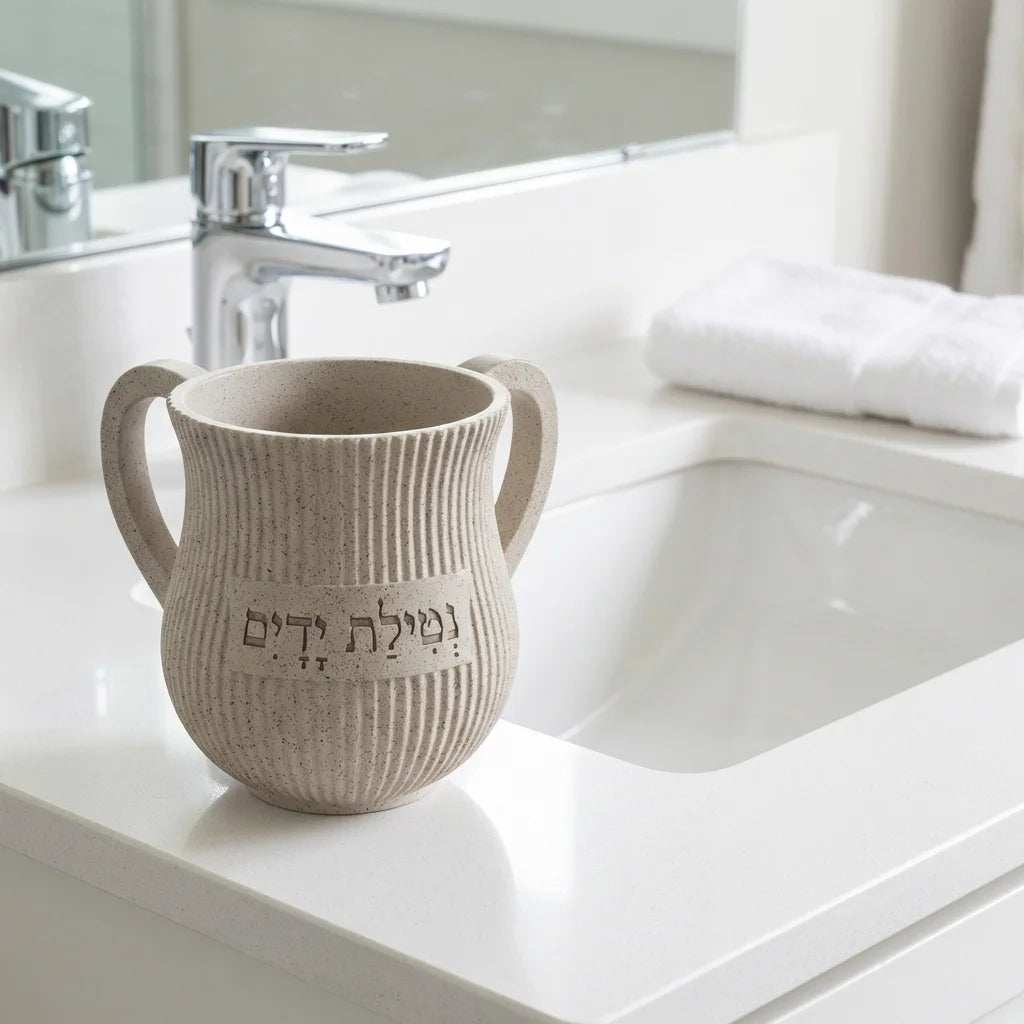
The Netilat Yadayim cup, often called a Natla, is one of the most recognizable items in Jewish homes.
Available in materials such as:
- Stainless steel
- Aluminum
- Acrylic
- Glass
- Ceramic
- Sterling silver
many families choose a beautiful washing cup to honor the mitzvah.
Some cups feature traditional Jewish artwork, Jerusalem designs, pomegranates, grapevine motifs, or elegant hammered finishes. Others are personalized with Hebrew names, making meaningful gifts for weddings, Bar Mitzvahs, housewarmings, or Jewish holidays.
A Daily Reminder of Gratitude
Perhaps the greatest lesson of Netilat Yadayim is that Judaism transforms ordinary routines into moments of spiritual awareness.
Every morning begins with gratitude.
Every meal begins with mindfulness.
Every act of personal care becomes an opportunity to recognize Hashem's kindness.
Rather than separating spirituality from everyday life, Judaism teaches that holiness is discovered through the smallest actions repeated consistently with intention.
Choosing a Quality Netilat Yadayim Cup
A well-crafted washing cup is something many Jewish families use every single day for years.
When selecting a Netilat Yadayim cup, consider:
- Comfortable grip
- Durable construction
- Balanced pouring
- Elegant traditional design
- Quality craftsmanship
- A finish that complements your Shabbat and Judaica collection
Whether you prefer a classic polished metal cup or a decorative modern design, investing in a beautiful Natla helps honor this timeless mitzvah.
Discover Beautiful Netilat Yadayim Cups at Orot Judaica
At Orot Judaica, we proudly offer a carefully selected collection of Netilat Yadayim cups, traditional Judaica, and meaningful Jewish gifts for every home.
Whether you're looking for an elegant washing cup for daily use, a thoughtful Bar Mitzvah gift, a wedding present, or beautiful additions to your Shabbat table, you'll find high-quality Judaica designed to combine beauty, tradition, and lasting craftsmanship.
Explore our collection and bring timeless Jewish tradition into your home with pieces that will be treasured for years to come.


