
The month of Tishrei is the holiest and most uplifting month on the Jewish calendar. Throughout this remarkable month, Am Yisrael is blessed with a series of sacred Yamim Tovim, each one bringing us closer to Hashem and deepening our connection to Torah, mitzvot, and Jewish tradition.
From the awe and majesty of Rosh Hashanah, through the holiness of Yom Kippur, to the joy of Sukkot, Shemini Atzeret, and Simchat Torah, the Chagei Tishrei form one continuous spiritual journey—leading us from Teshuvah and forgiveness to gratitude, simcha, and renewed dedication to Avodat Hashem.
Whether you are celebrating with family at home, gathering in Shul, or passing these traditions to the next generation, the Chagim of Tishrei shape the Jewish year like no other time.
Rosh Hashanah – Crowning Hashem as King
Rosh Hashanah marks the beginning of the Jewish year, but even more importantly, it is the day on which we proclaim Hashem as King over the entire world.
One of the central mitzvot of the day is hearing the sound of the Shofar, whose powerful blasts awaken the heart to Teshuvah, inspire humility, and remind us to strengthen our relationship with Hashem.
The Yom Tov table is filled with meaningful customs, including apples dipped in honey, round challah, pomegranates, and other symbolic foods that express our heartfelt prayers for a sweet, healthy, and blessed year.
Families gather together, wear beautiful Yom Tov clothing, exchange wishes of Shanah Tovah, and begin the new year surrounded by Torah, mitzvot, and loved ones.
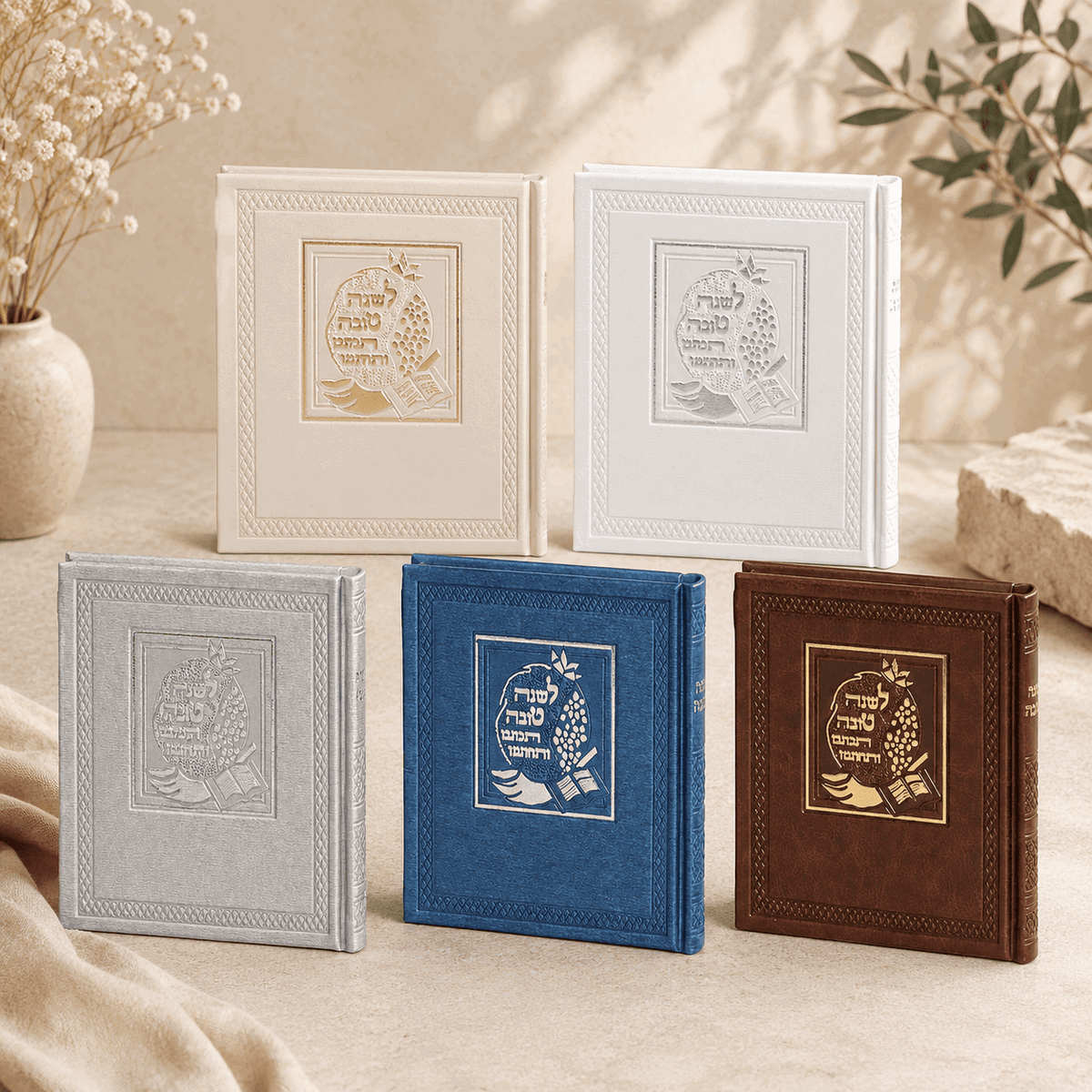
Prepare for Rosh Hashanah with beautiful Shofarot, honey dishes, Kiddush cups, tableware, Simanim books, and meaningful Judaica that help elevate every Yom Tov meal and become treasured family traditions.
Aseret Yemei Teshuvah – The Ten Days of Repentance
The days between Rosh Hashanah and Yom Kippur are known as the Aseret Yemei Teshuvah.
These precious days are a special opportunity to strengthen our relationship with Hashem through sincere Teshuvah, heartfelt tefillah, increased Torah learning, acts of kindness, and giving Tzedakah.
It is also a time to seek forgiveness from others, repair relationships, and prepare ourselves spiritually for the holiness of Yom Kippur.
Yom Kippur – The Holiest Day of the Year
Yom Kippur is the holiest day of the Jewish calendar.
Throughout the day, Jews around the world gather in Shul for extended tefillot while observing the mitzvah of fasting. The day is devoted to Teshuvah, heartfelt prayer, and seeking forgiveness before Hashem.
Yom Kippur reminds us that no matter where we stand, the gates of Teshuvah are always open for those who sincerely wish to return to Hashem.
As the final blast of the Shofar is sounded at the conclusion of Ne'ilah, we leave Yom Kippur spiritually renewed and ready to continue serving Hashem with joy.

Sukkot – The Season of Our Joy
Only a few days after Yom Kippur, the atmosphere transforms into the great joy of Sukkot, known as Zman Simchateinu.
During Sukkot we fulfill the precious mitzvah of dwelling in the Sukkah, remembering how Hashem protected Bnei Yisrael with the Clouds of Glory throughout their journey in the wilderness.
Families beautify their Sukkah with decorations in honor of the mitzvah (Hiddur Mitzvah), welcoming relatives and guests to enjoy festive Yom Tov meals together.
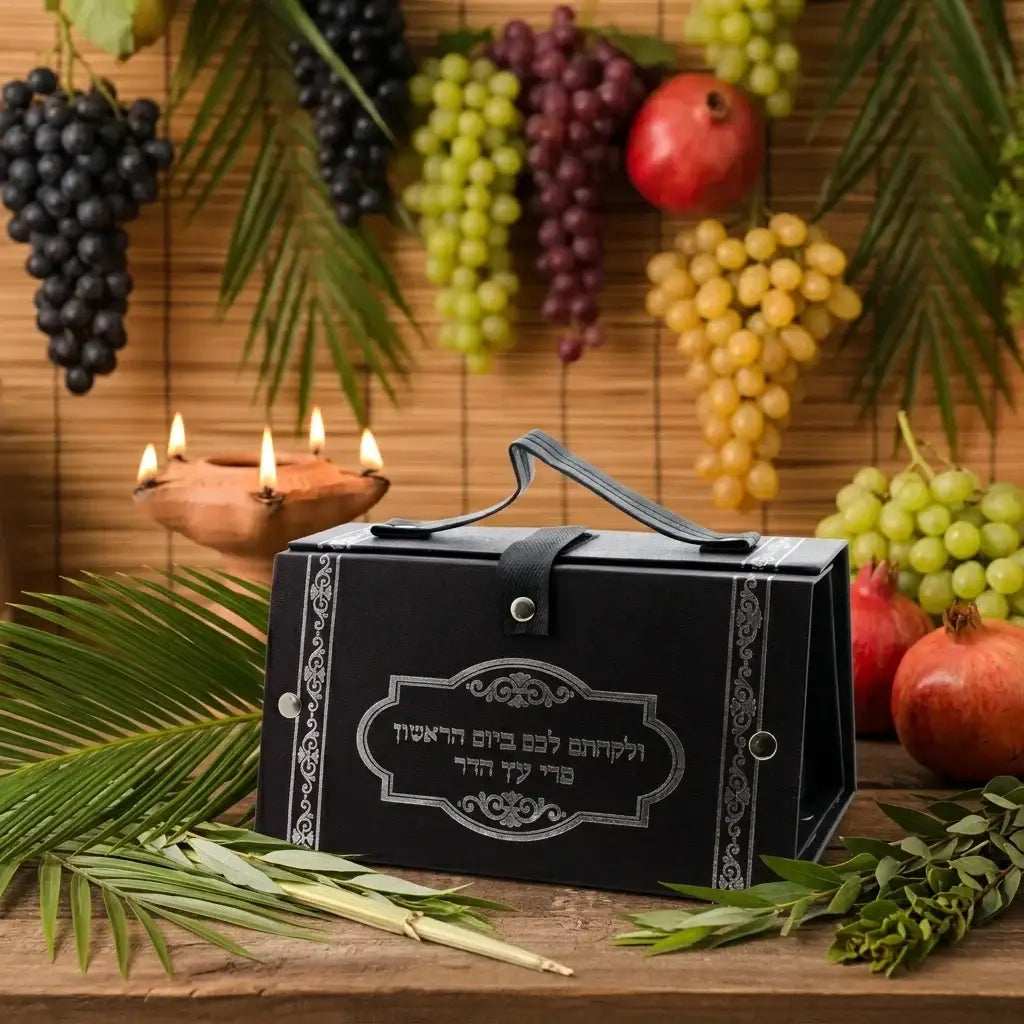
Another central mitzvah of Sukkot is taking the Arba Minim—the Etrog, Lulav, Hadassim, and Aravot—each day of the Chag, as commanded by the Torah. Chazal teach that these Four Species also represent the unity of Am Yisrael.
Decorate your Sukkah with elegant Judaica, Etrog boxes, Lulav holders, and beautiful accessories that bring additional beauty and honor to every mitzvah.
Hoshana Rabbah
The final day of Chol HaMoed is Hoshana Rabbah, a day of special significance within the Tishrei journey.
Unique tefillot are recited, and many communities observe the custom of beating the Aravot, following the traditions handed down through generations.
Hoshana Rabbah serves as one final opportunity for prayer and reflection before the conclusion of the Yamim Tovim.
Shemini Atzeret
Although it follows Sukkot, Shemini Atzeret is its own independent Yom Tov.
Chazal compare it to a beloved guest whom the King asks to remain one additional day before departing. It is a beautiful opportunity to linger a little longer in the holiness of the Chagim before returning to everyday life.
Outside Eretz Yisrael, many communities also begin reciting Tefillat Geshem, praying for blessing and rain during the coming season.
Simchat Torah – Rejoicing in the Gift of Torah
Simchat Torah is one of the happiest and most uplifting days of the Jewish year.
On this special day, we complete the annual Torah reading cycle and immediately begin again with Bereishit, demonstrating that Torah learning has no finish line.
Shuls throughout the world come alive with joyful Hakafot, singing, dancing, and celebration as the Torah scrolls are carried around the congregation.
Children proudly wave Torah flags, families celebrate together, and the entire community rejoices in the eternal gift of Torah.
Meaningful Torah-inspired Judaica can help make Simchat Torah even more memorable while strengthening the connection to this cherished Chag.
One Continuous Journey of Growth
The beauty of Chagei Tishrei is that each Yom Tov naturally prepares us for the next.
We begin by accepting Hashem's Kingship on Rosh Hashanah, continue through the days of Teshuvah, reach spiritual purity on Yom Kippur, celebrate with gratitude during Sukkot, conclude with the holiness of Shemini Atzeret, and finish with the boundless joy of Simchat Torah.
Together, these Yamim Tovim inspire us to strengthen our emunah, increase our mitzvot, deepen our Torah learning, and build stronger Jewish homes centered around faith and tradition.
Over time, many families also build their own collection of beautiful Judaica for each Chag, creating meaningful traditions that are lovingly passed from generation to generation.
Carrying the Light of Tishrei Throughout the Year
Although Tishrei lasts only one month, its influence remains with us throughout the entire year.
The lessons of Teshuvah, tefillah, gratitude, hospitality, Torah learning, and simcha continue to guide our daily lives long after the Chagim have ended.
Whether hearing the Shofar on Rosh Hashanah, fasting on Yom Kippur, dwelling in the Sukkah, taking the Arba Minim, or dancing with the Torah on Simchat Torah, every mitzvah performed during Tishrei strengthens our connection to Hashem and enriches Jewish life.
For generations, these sacred Yamim Tovim have formed the spiritual foundation of the Jewish year, filling our homes with kedushah, our families with unity, and our hearts with faith, joy, and everlasting hope.


